|
✦ BACK TO HOME
Eagala’s Boots on the Ground Model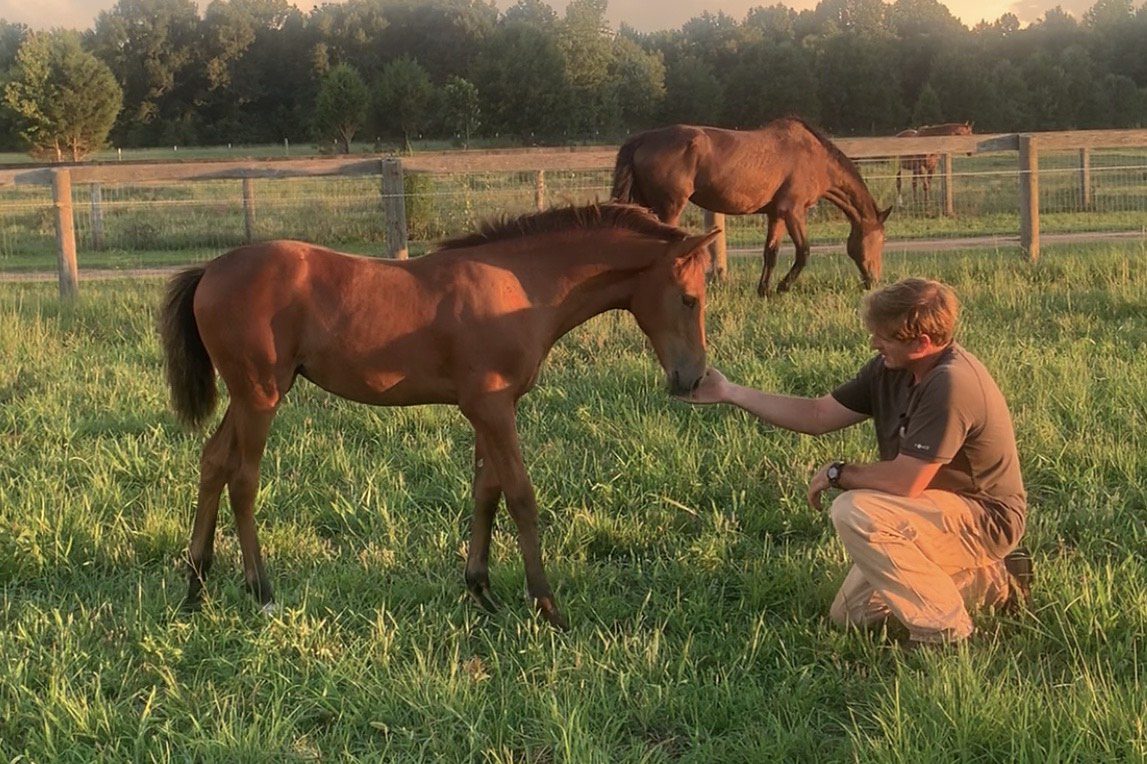 ✦
✦
Boots On The Ground: A Key Difference in Our Equine-Assisted PsychotherapyThe Eagala Model is a unique approach to equine-assisted psychotherapy, designed to foster a genuine, unfiltered connection between clients and horses. What sets Eagala apart from other forms of horse therapy is its focus on boots on the ground—meaning there’s no riding involved. Instead, the horses remain untethered, and clients engage with them while standing alongside them, on equal footing. This model reflects the belief that when both the client and the horse are free to move, a more authentic interaction unfolds. The horse’s movements and behaviors mirror the emotional state of the client, helping to reveal insights that might otherwise remain hidden. At the core of Eagala’s philosophy is the idea that non-riding interactions create a more open and honest space for clients. This therapeutic setting provides the opportunity for deep self-reflection, guided by the intuition of the horse and the expertise of a trained therapist. The role of the therapist and equine specialist is to observe and facilitate—not direct—allowing the natural bond between the horse and client to take center stage. This model has proven effective across the globe, where Eagala-certified therapists help people work through trauma, anxiety, depression, and other mental health issues. ✦
2023 Fundamentals Participant✦
“Horses are amazing. They’re very intelligent animals. They sense where you’re at sometimes even more so than you do, which is why they make such great partners in therapy.” ✦
✦
Benefits for Clients: No Riding RequiredOne of the main advantages of Eagala’s boots-on-the-ground model is that clients don’t need to learn how to ride a horse to benefit from the therapy. In traditional equine therapy, learning to ride can often become a distraction, making the experience more about mastering the mechanics of horsemanship rather than focusing on personal growth and emotional healing. By removing the element of riding, clients are free to focus entirely on the therapeutic process. This is especially beneficial for clients who may feel intimidated or uncomfortable with the idea of riding. Instead of worrying about controlling the horse, clients can concentrate on being open and honest with themselves. The horses, in turn, provide immediate, non-judgmental feedback through their behavior. Clients are able to see their emotional state reflected in the horse, allowing them to better understand and work through their feelings. This dynamic can lead to breakthroughs that might take longer to achieve in traditional therapy settings. In addition, the lack of riding makes the therapy more accessible to a wider range of clients. People of all ages and physical abilities can participate, as there’s no need to worry about mounting, balance, or physical exertion. This creates an environment where anyone can benefit, regardless of prior experience with horses. 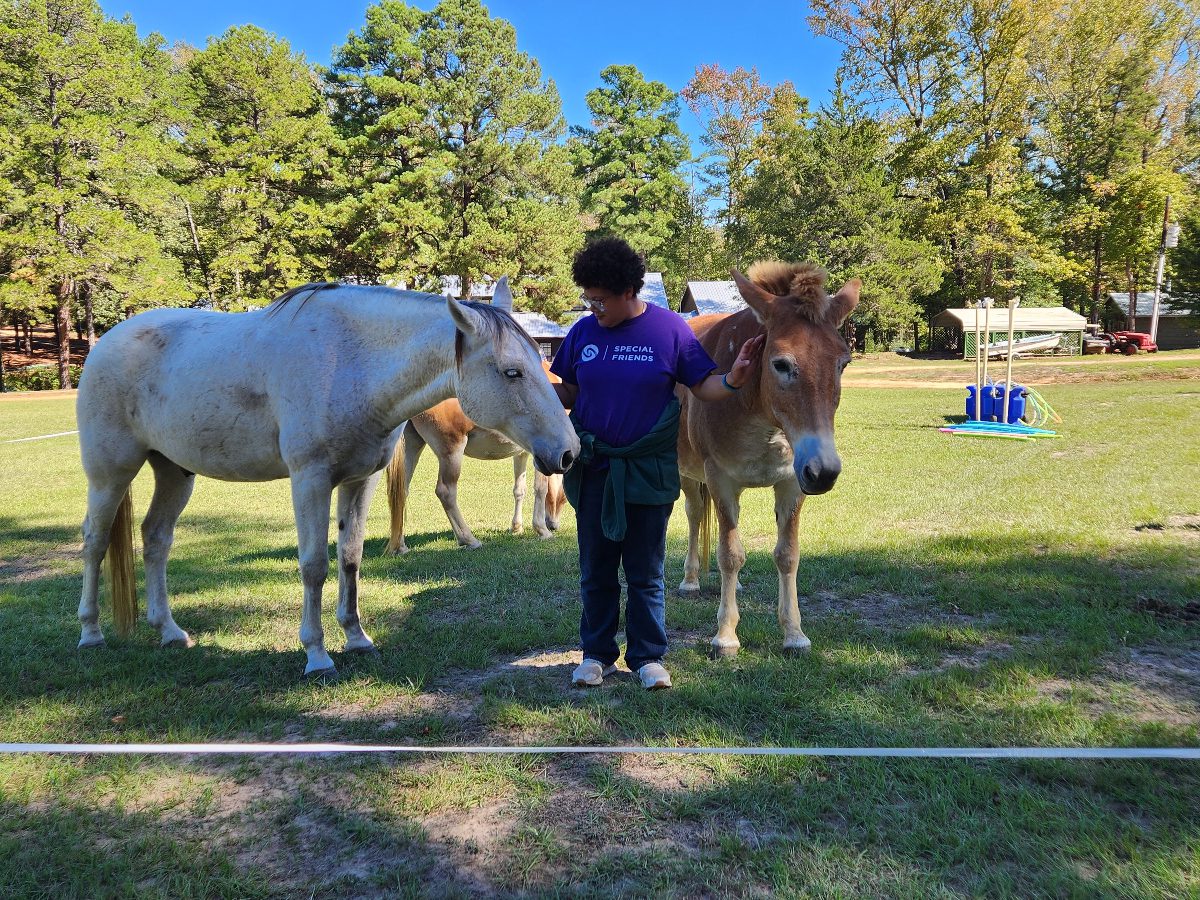 ✦
2023 Fundamentals Participant✦
“They offer a great gift to us as therapists, as instructors, so that we can look at what they’re presenting to us in an experience with a person, and then we can help facilitate some conversation with that person, whether it’s a client or a student about their experience with that animal, about that animal’s interaction with them, that can allow that person then to use that experience to do some introspection to help, heal or to grow in, in different ways.” 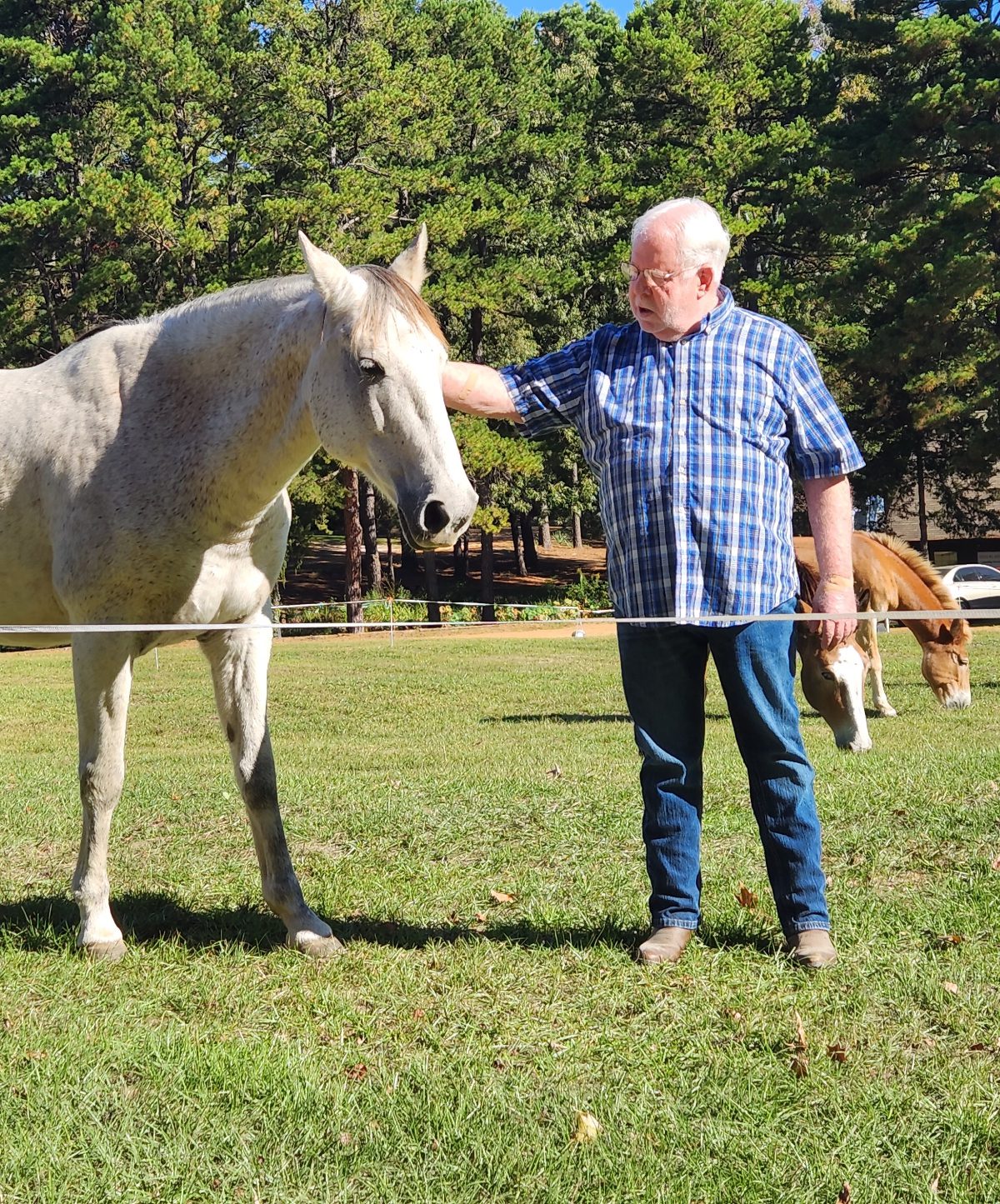 ✦
✦
Why the Boots-on-the-Ground Model Benefits HorsesThe boots-on-the-ground model is not just beneficial for clients—it’s also better for the horses involved in the therapy. Horses are incredibly intuitive creatures, able to pick up on the emotional states of the humans around them. When they aren’t being ridden, led around, or kept in a stall, they are free to move naturally. This freedom allows the horses to interact with clients in a way that’s much more genuine and aligned with their instincts. By removing the physical demands of riding, the horses are less stressed and more comfortable, making the therapeutic process more effective. The horses can roam the space, approach clients on their own terms, and react authentically to the client’s presence and emotions. This creates a natural flow of interaction, where both horse and client engage in a mutual, respectful way. Moreover, the boots-on-the-ground model also extends the working life of horses that might no longer be suitable for riding. Older horses, or those with physical limitations, can still play an important role in equine-assisted psychotherapy. They’re given a new purpose, where their natural instincts and emotional intuition can be fully utilized, without the strain of being ridden. This means that horses that might otherwise be retired or overlooked can find a new lease on life, helping others while continuing to enjoy meaningful interactions with people. ✦
2023 Fundamentals Participant✦
“You get a lot of people that can sit in a talk therapy and they know the right things to say, but when you’re out there doing experiential, the horse doesn’t care what you say.” ✦
✦
How Boots on the Ground Helps Mental Health ProfessionalsThe boots-on-the-ground model also offers unique advantages for the professionals facilitating each session. In more traditional forms of equine therapy, mental health professionals often feel pressure to be skilled horse handlers as well, an added responsibility that can distract from their true area of expertise. With the Eagala Model, those roles are clearly defined. The therapist is free to focus entirely on the client’s emotional and mental health, while the equine specialist ensures the horses’ well-being and interprets their behaviors. Because the horses are not ridden or directed, the therapist can observe authentic interactions between client and horse, gaining deeper insights into the client’s emotional state. This team-based approach allows each professional to work from their strengths. The therapist guides the client’s inner journey, while the equine specialist provides expertise in equine behavior and safety. Together, they create a balanced, supportive environment where clients, horses, and professionals interact naturally — maximizing both the impact and the authenticity of the therapeutic process. 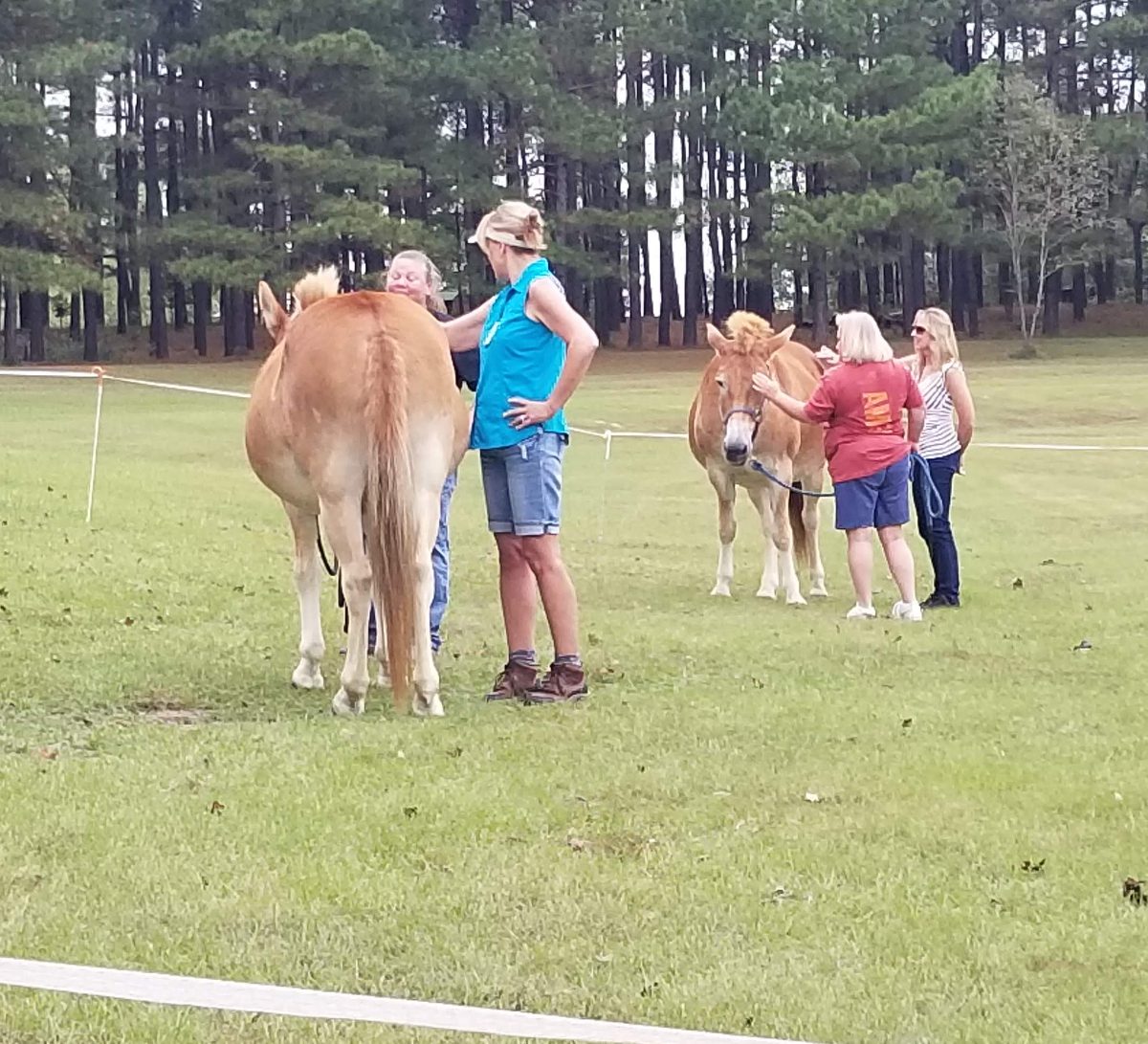 FAQs About Eagala’s Boots on the Ground ModelIt’s the core of the Eagala Model, where clients interact with horses without riding or leading them, allowing for a more natural and intuitive connection. No. The Eagala Model does not involve riding. Clients remain on the ground and interact with horses in a way that is accessible and focused on the therapeutic process. Removing riding allows the client to focus on emotional and mental healing without the distraction of learning to ride or control the horse. Therapists can focus on guiding the client’s emotional journey without needing to manage the horse, allowing them to use their expertise more effectively. Horses respond naturally to client presence, emotion, and movement, offering authentic feedback without being ridden, directed, or controlled. Older horses, or those no longer suitable for riding, can still engage in therapy by using their intuition and natural movements to help clients. Sessions are facilitated by a team that includes a mental health professional and an equine specialist working together within the Eagala Model. Mental health professionals can stay focused on client process, emotional insight, and therapeutic facilitation while the equine specialist supports horse behavior and safety. Equine specialists can use their knowledge of horse behavior and safety to support the session without needing to direct or control the therapeutic process. Because there is no riding required, the model is accessible to many people of different ages, experience levels, and physical abilities. Eagala-certified professionals help people work through trauma, anxiety, depression, relationship challenges, behavioral concerns, and other mental health issues. You can find certified professionals through Eagala’s Program Directory and connect with providers trained in the Eagala Model. If you’re a mental health professional or equine specialist looking to expand your skills, Eagala offers Fundamental and Skillset Intensive Training in equine-assisted psychotherapy. Enroll in a training program today to learn how to integrate the Eagala Model into your practice effectively. If you’re already certified, the Skillset Intensive Training course will deepen your understanding and enhance your ability to help clients. For those in need of mental health support and are interested in equine-assisted psychotherapy with the Eagala Model, our global network of certified professionals is ready to help. Find certified professionals near you by visiting our Program Directory and take the first step toward healing today. |
EAGALA
9160 Forum Corporate Pkwy., #350, Fort Myers, FL 33905© Copyright 2026. All rights reserved.
Privacy Policy
Terms of Use

Organization Resources
Our Organization
Eagala (Equine Assisted Growth and Learning Association) is a global nonprofit dedicated to advancing the Eagala Model, a ground-based, team approach to equine-assisted psychotherapy and personal development. For more than two decades, Eagala has trained and certified professionals worldwide, bringing together mental health practitioners and equine specialists to create impactful, experiential learning. Through training, certification, and ongoing support, Eagala empowers a diverse international community to foster growth, resilience, and meaningful change.